
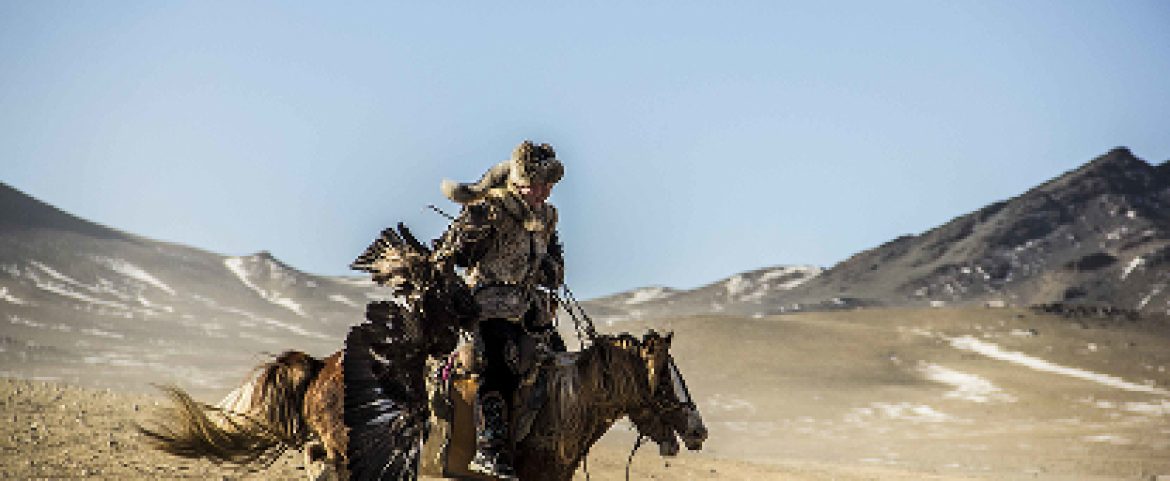
High in Mongolia’s far western reaches, where snow-dusted peaks rise above open valleys, an extraordinary tradition takes centre stage each autumn.
The Mongolia Golden Eagle Festival is more than a cultural spectacle. It celebrates the enduring relationship between Kazakh eagle hunters, their birds and the mountainous environment in which this tradition developed.
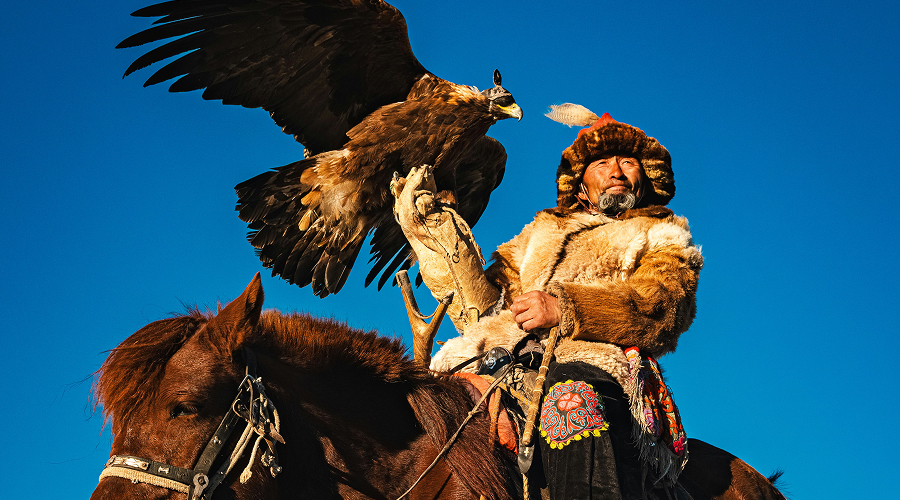
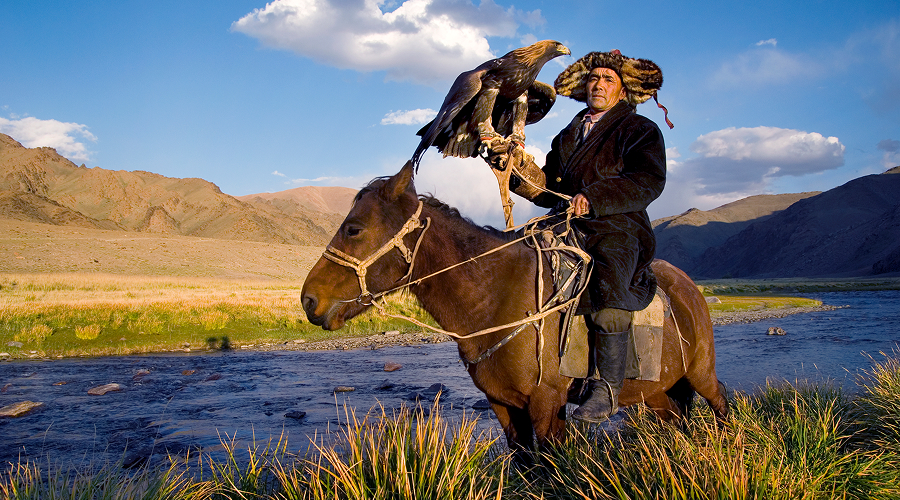
Riders arrive on horseback wearing embroidered coats, fur hats and sturdy leather boots, with golden eagles perched calmly on their gloved arms. Against the vast landscape, the gathering becomes a striking portrait of cultural identity, skill and pride.
For travellers, the festival offers a rare opportunity to witness a tradition that remains deeply meaningful to the communities that practise it.
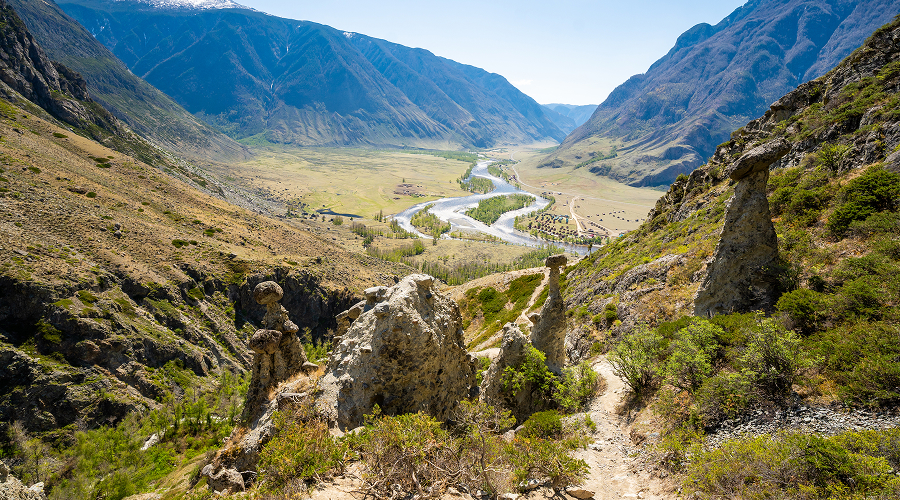
The festival is held in Bayan-Ölgii, Mongolia’s westernmost province and home to much of the country’s Kazakh population.
The region feels markedly different from the rolling central steppe commonly associated with Mongolia. Here, the landscape is shaped by rugged ridges, glacial valleys, windswept plains and distant settlements scattered beneath the Altai Mountains.
Autumn brings especially atmospheric conditions. The light becomes softer, the air grows colder and the first traces of snow begin to settle on the higher peaks.
Reaching this remote corner of Mongolia requires domestic flights, ground transfers and reliable local coordination. This is where carefully planned luxury tours can add value, allowing travellers to experience the region without losing sight of comfort, pacing or practical logistics.
At the heart of the Mongolia Golden Eagle Festival is the ancient practice of hunting with golden eagles.
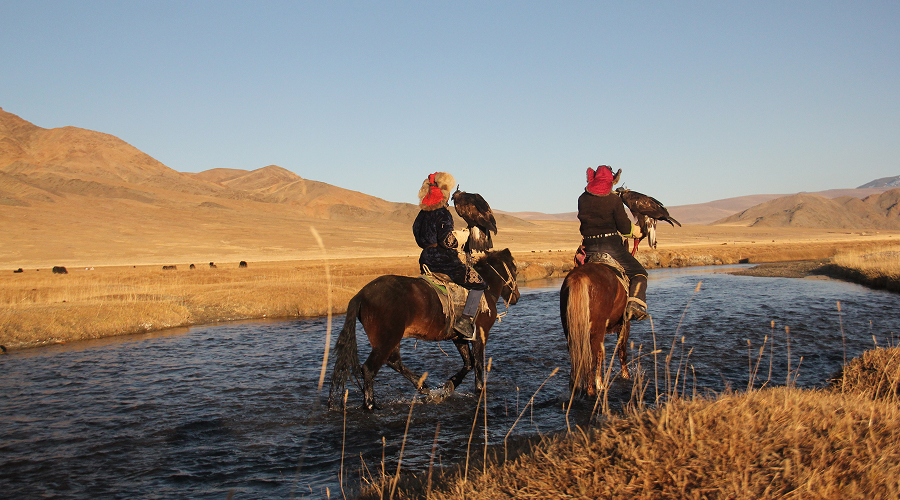
Known locally as berkutchi, eagle hunters train their birds to locate and pursue small animals across the mountain landscape during winter. The practice demands patience, discipline and a close understanding of the eagle’s instincts.
Hunters traditionally work with female golden eagles, which are generally larger and stronger than males. Training takes place gradually, with trust built through feeding, handling and repeated practice.
Golden eagles possess exceptional eyesight and can detect movement across considerable distances. During a hunt, the bird may be released from higher ground before gliding rapidly towards its target.
The festival transforms these abilities into a series of public demonstrations. Eagles are called from distant slopes and judged on how quickly and accurately they return to their handlers.
For spectators, these moments reveal the precision behind traditional eagle hunting in Mongolia, as well as the remarkable communication between hunter and bird.
The Altai Mountains eagle hunting festival also brings together a wider range of Kazakh customs.
Typical events may include:
The elaborate clothing worn by participants is an important part of the occasion. Embroidered coats, decorated saddles and fur-trimmed hats reflect both personal identity and generations of craftsmanship.
The gathering is competitive, but it is also social. Families reunite, musicians perform and experienced hunters pass knowledge to younger members of the community.
This broader atmosphere helps visitors understand that eagle hunting does not exist in isolation. It belongs to a larger nomadic heritage shaped by livestock, horses, seasonal movement and life in a demanding mountain environment.
The most memorable moments of the Mongolia Golden Eagle Festival are often found beyond the formal competitions.
Meeting the Kazakh eagle hunters of Mongolia provides insight into how the tradition is learned, practised and passed down within families. Hunters may share stories about raising their eagles, preparing for winter or travelling across the mountains on horseback.
These encounters also help travellers see the birds as more than impressive wildlife. Each eagle has its own temperament, and every hunter develops a distinct way of working with it.
Responsible cultural engagement is particularly important here. Visitors should approach local people with curiosity and respect, seek permission before taking close photographs and remember that the festival represents a living community tradition rather than a performance created solely for tourism.
A visit to Bayan-Ölgii can be combined with broader luxury Mongolia tours that explore the country’s contrasting landscapes and cultures.
A well-paced itinerary might include time in Ulaanbaatar, private meetings with local specialists, scenic drives through the Altai region and visits to Kazakh families before or after the festival. Depending on the route, travellers may stay in comfortable hotels, upgraded ger camps or privately arranged accommodation in more remote areas.
The quality of the guide is especially important. A knowledgeable local specialist can provide context on the competitions, translate conversations, and help travellers understand the etiquette surrounding family visits, photography, and interactions with the eagles.
Thoughtful planning also allows time for weather changes, flight disruptions and the long travel distances that are part of exploring western Mongolia.
Intriq Journey designs carefully paced journeys into Mongolia’s remote western landscapes, combining cultural access with expert guidance and coordinated logistics.
Travellers can witness the Mongolia Golden Eagle Festival, explore the Altai Mountains and spend meaningful time with the Kazakh communities who continue to preserve this remarkable tradition.
Contact us to begin planning a personalised journey to one of Mongolia’s most evocative cultural gatherings.