
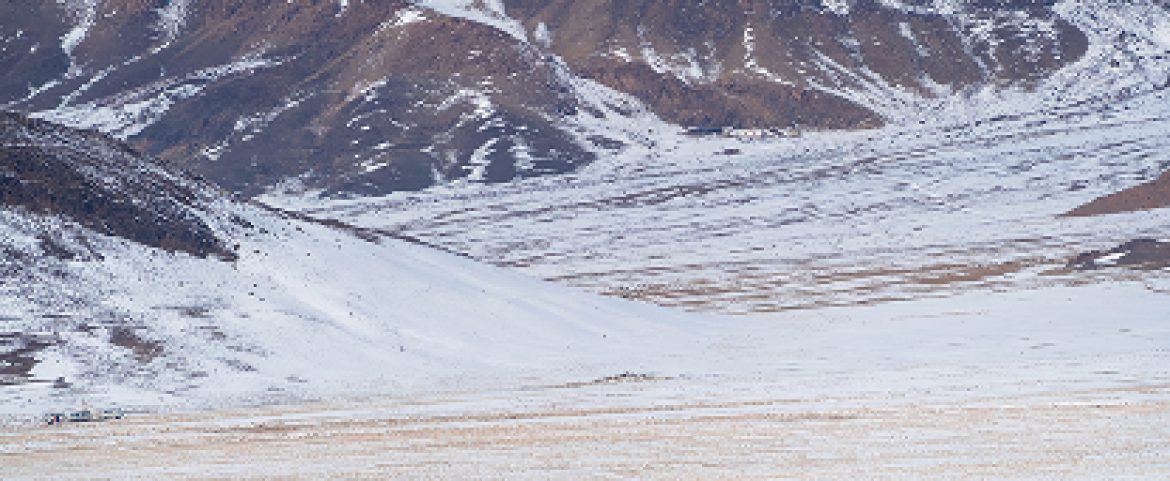
Mongolia is often pictured as an expanse of green grassland beneath a wide summer sky. Yet winter reveals a quieter and more dramatic side of the country.
As temperatures fall, rivers freeze, snow settles across the plains, and distant mountain ranges appear sharper against the pale horizon. The air is cold and exceptionally clear, allowing travellers to see across seemingly endless distances.
Despite the severe weather, winter in Mongolia is not a dormant season. Nomadic families continue tending livestock, horsemen cross frost-covered grazing grounds, and communities gather for seasonal celebrations. Travelling at this time offers a rare opportunity to experience both the beauty of the landscape and the resilience of those who live within it.
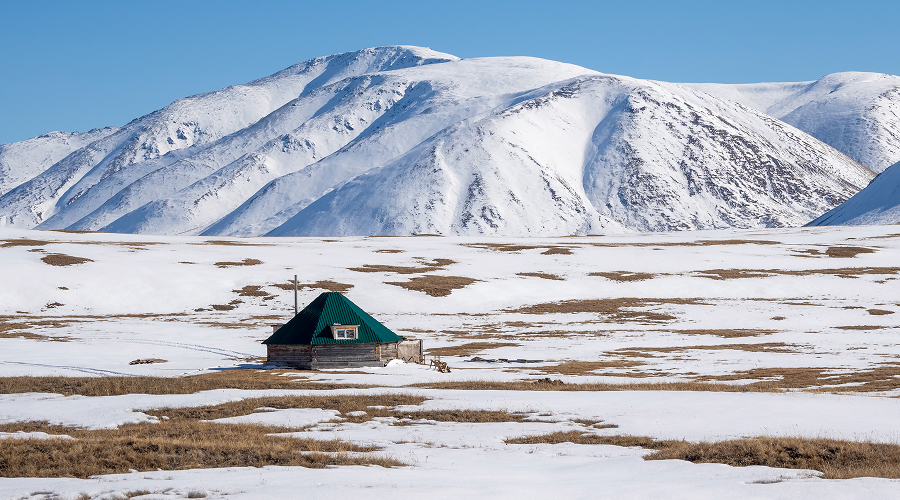
The frozen steppe landscapes of Mongolia have a stark quality that contrasts sharply with the country’s summer scenery. Snow softens the rolling grasslands, while low winter sunlight creates shifting shades of silver, blue and pale gold.
Journeys across the steppe may involve private vehicles, horse-drawn sledges or horseback rides with local guides. Along the way, travellers may see isolated gers, herders leading animals towards grazing areas and tracks left by wildlife in fresh snow.
The vastness of the landscape is part of the experience. With few buildings, roads or signs of urban life, the season offers clean horizons, dramatic contrasts and changing light across untouched terrain.
A well-planned itinerary may combine these remote landscapes with warmer stays and shorter travel periods. This balance is particularly important for travellers considering luxury tours, where comfort and flexibility should enhance the experience without separating guests from the destination’s character.
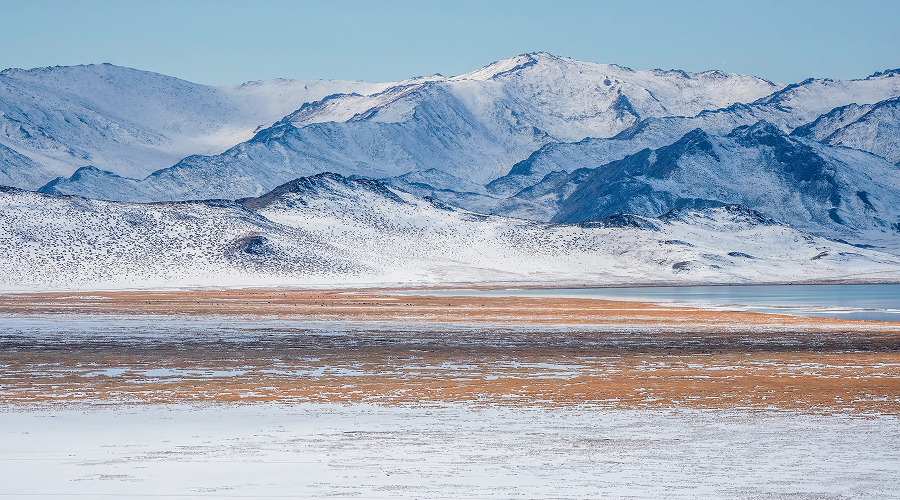
Located in northern Mongolia, Lake Khövsgöl is one of the country’s most striking winter destinations. During the coldest months, the lake freezes into an immense sheet of ice surrounded by forested hills and snow-covered mountains.
The frozen surface has long served as a seasonal route for communities living around the lake. Today, it also provides the setting for one of the best-known Mongolian winter festivals.
Walking or travelling across the lake reveals patterns of cracks, bubbles and changing blue tones beneath the ice. The scale of the surroundings can make the landscape feel both imposing and peaceful, especially before festival crowds gather.
Reaching Lake Khövsgöl in winter requires careful coordination, suitable transport and accommodation prepared for low temperatures. Travellers arranging the journey through a tour agency in Singapore should look for itineraries that account for weather disruptions, realistic driving times and access to reliable local support.
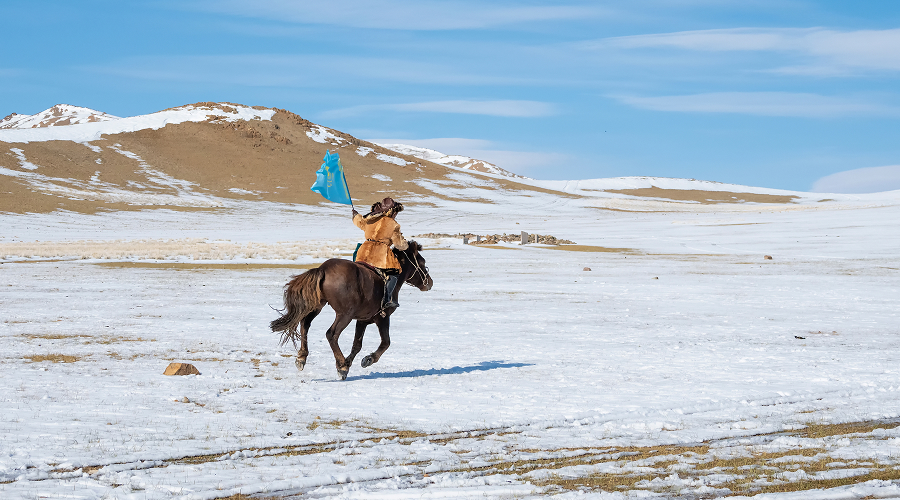
The annual Ice Festival at Lake Khövsgöl celebrates the traditions, skills and resilience of northern Mongolian communities. The frozen lake becomes a lively gathering place filled with colourful deels (traditional robes), music, games, and cultural performances.
Activities vary from year to year but may include:
Reindeer-herding communities from the surrounding taiga may also take part, offering visitors a glimpse into a way of life shaped by forests, animals and seasonal migration.
The festival is one of several Mongolian winter festivals that bring communities together during the colder months. Rather than simply observing the events, travellers can gain more from the experience when accompanied by a knowledgeable local guide who can explain the customs, competitions and regional significance behind them.
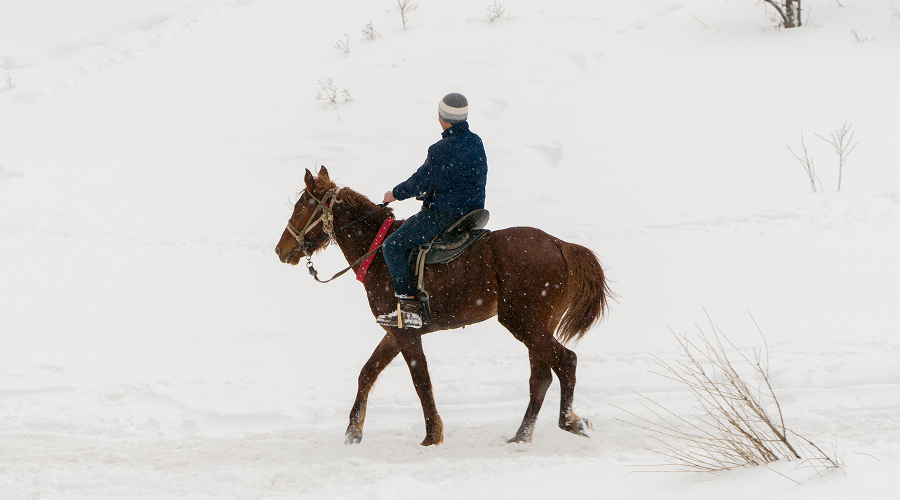
Experiencing winter in Mongolia can also include time with nomadic families living beyond the main towns. These visits provide insight into how households adapt their routines, homes and livestock management to the cold.
Inside a ger, a central stove provides warmth while families prepare milk tea, dairy products and hearty meals. Travellers may learn how fuel and food are stored, how animals are protected during storms and why knowledge of weather patterns remains essential.
These encounters should be approached with sensitivity. Private arrangements and trusted local guides can help ensure that visits feel respectful rather than staged, allowing conversations to unfold naturally.
For travellers exploring luxury Mongolia tours, cultural depth often comes not from elaborate surroundings but from having the time, access and interpretation needed to understand everyday life.
Beyond the Ice Festival, winter itineraries in Mongolia may include horseback rides, dog sledging, wildlife tracking or photography across remote valleys. Travellers may also spend evenings beneath clear skies with little artificial light.
The season requires realistic expectations. Temperatures can be extreme, travel times may change, and outdoor activities sometimes need to be adjusted. Suitable thermal layers, insulated footwear and protection for exposed skin are essential.
A flexible itinerary allows guides to respond to local conditions while preserving the most meaningful parts of the journey.
Intriq Journey creates private journeys for travellers who want to experience Mongolia’s winter landscapes and traditions with greater comfort, context and flexibility. Its team can coordinate regional flights, winter-ready accommodation, private transfers and trusted local guides across remote areas.
Each itinerary is shaped around the traveller’s interests, whether the priority is the Lake Khövsgöl Ice Festival, landscape photography, nomadic encounters or time on the frozen steppe. Careful pacing also allows travellers to experience the country without underestimating its distances or winter conditions.
Contact us to begin planning a personalised journey through Mongolia’s frozen landscapes, cultural gatherings and remote communities.