Travelling in Tibet means entering one of the highest inhabited regions on Earth. Much of the plateau sits above 4,000 metres, and that altitude shapes the travel experience in ways that standard temperature averages do not always capture.
Understanding Tibet weather by month is therefore about more than deciding whether to bring a coat. Daytime temperatures may look manageable, but the sun is strong, the air is dry, and conditions can shift quickly between morning, afternoon, and evening. A bright afternoon in Lhasa may feel pleasantly mild, yet temperatures can drop sharply after sunset. Wind, altitude, and regional differences also play a major role, especially if your itinerary extends beyond the city into higher valleys, lakes, or mountain routes.
For luxury travellers, the most useful Tibet climate guide is one that explains not only the seasons, but also what each period feels like on the ground. Some travellers want clear Himalayan views and dry overland conditions. Others prefer greener landscapes, fewer visitors, or a gentler introduction to Tibet’s altitude. The right time to visit depends on the kind of experience you want the journey to deliver.
| Month | What conditions are generally like | Best suited for |
| January | Very cold mornings and nights, but often dry with clear skies and bright daytime sun in Lhasa | Travellers prioritising a quieter Lhasa-focused cultural journey with fewer crowds |
| February | Similar to January, with crisp air and winter conditions still firmly in place | Monastery visits, old-city exploration, and travellers comfortable with a winter Tibet itinerary |
| March | Early spring transition; still cold, especially outside Lhasa, but daytime sightseeing becomes more manageable | Travellers wanting shoulder-season cultural touring before busier months begin |
| April | Cooler spring weather with clearer touring conditions and improving comfort for scenic drives | First-time Tibet trips combining Lhasa, monasteries, and selected valley or overland extensions |
| May | One of the more comfortable spring months, with longer daylight and milder daytime temperatures | Travellers seeking a balanced mix of culture, scenery, and manageable weather |
| June | Warmer days and greener landscapes, with summer travel conditions beginning to settle in | Scenic and cultural itineraries for travellers who prefer milder daytime touring conditions |
| July | Peak summer season with greener valleys, warmer weather, and a livelier travel atmosphere | Travellers who want summer scenery, easier daytime sightseeing, and a fuller travel season |
| August | Similar to July, though some routes may see more cloud cover or occasional rain | Travellers prioritising greener landscapes and summer access, rather than the clearest mountain views |
| September | Cooler, drier, and often clearer after summer, with strong conditions for scenic overland travel | Travellers planning longer overland routes, photography-led trips, or broader classic Tibet itineraries |
| October | Crisp autumn weather, strong visibility, and colder nights are beginning to return | Travellers who want mountain views, high-altitude scenery, and classic plateau landscapes |
| November | Late-autumn to early-winter transition, with fewer visitors and colder mornings | Travellers open to a quieter cultural trip with some of autumn’s clarity still lingering |
| December | Deep winter conditions, especially at night, but often very clear and calm during the day | Travellers focused on Lhasa, monasteries, and a slower winter journey rather than a broad circuit |
Spring is one of the most appealing seasons for travellers who want to experience Tibet in relatively comfortable conditions without the busier pace of summer. As winter begins to loosen its hold, valleys gradually reawaken, skies are often bright, and the plateau starts to feel more open and inviting.
In places such as Lhasa and the surrounding cultural heartland, spring usually brings cool but manageable daytime weather for sightseeing. Mornings and evenings can still be cold, especially in March, but April and May often strike a very attractive balance between crisp air, good visibility, and moderate daytime temperatures. In eastern areas such as Nyingchi, spring can also bring softer greenery and seasonal blossoms that add a different dimension to the Tibetan landscape.
This season suits travellers who want monastery visits, scenic drives, and cultural touring without the intensity of peak travel months. It also works well for first-time visitors who want a gentler introduction to the plateau.
What to pack for spring
Within the wider pattern of the weather in Tibet by month, spring is often one of the most balanced choices for travellers seeking both comfort and scenery.
Summer is the warmest and busiest time of year in Tibet. Valleys become greener, the landscape feels fuller, and many routes are at their most active. For travellers who prefer milder daytime temperatures and a livelier atmosphere, this can be a very attractive season to visit.
Compared with much of South Asia, Tibet’s summer remains relatively moderate due to its altitude. Even so, the warmer weather can make sightseeing easier, particularly for travellers who are less comfortable with cold mornings or sharp evening temperature drops. At the same time, summer is also Tibet’s wetter period, though rainfall tends to be lighter and more localised than the monsoon conditions seen in lower-lying regions.
June often offers a particularly good balance, with warmth and greenery before the height of summer travel. July and August bring the most vivid landscapes, but also a greater chance of cloud cover or occasional rain in some areas.
Summer is a good fit for travellers who want greener scenery, longer daylight hours, and a more animated cultural atmosphere. It can also work well for itineraries that combine cultural sightseeing with scenic drives and lighter outdoor exploration.
What to pack for summer
When looking at Tibet’s seasonal weather, summer stands out less for extreme heat and more for energy, colour, and accessibility.
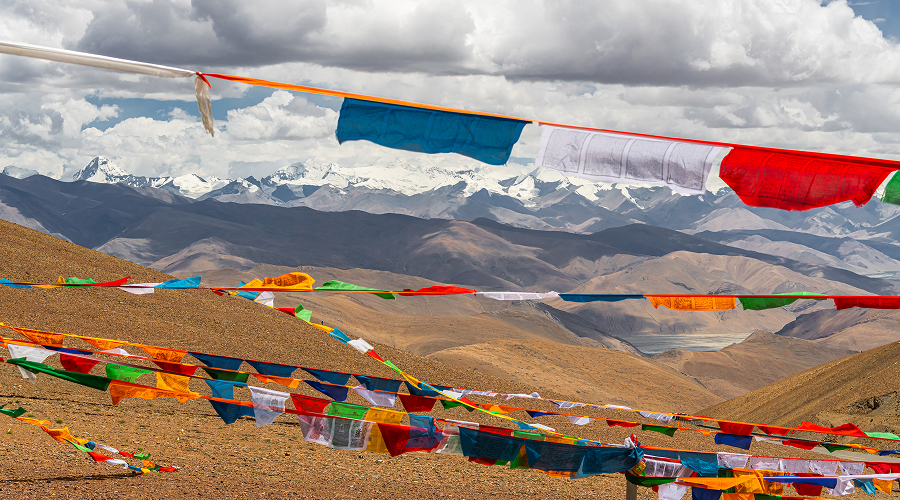
Autumn is often considered one of the finest times to travel in Tibet. The air becomes drier, skies are frequently clearer, and the quality of light across the plateau can be exceptional. For many travellers, this is the season that most closely matches the classic image of Tibet: crisp mountain air, expansive views, and golden landscapes under deep blue skies.
September still retains some of summer’s relative ease while offering improving visibility. By October, the air is cooler, and the landscape takes on a more dramatic, sharply defined character. This is an especially rewarding time for overland travel, photography, and itineraries that place a strong emphasis on scenery alongside cultural exploration.
For travellers wondering about the best time to visit Tibet, autumn is often one of the strongest answers. It offers a particularly appealing combination of stable weather, scenic clarity, and comfortable daytime touring conditions.
What to pack for autumn
If spring feels fresh and inviting, autumn feels refined and expansive, making it one of the most rewarding seasons in any Tibet climate guide.
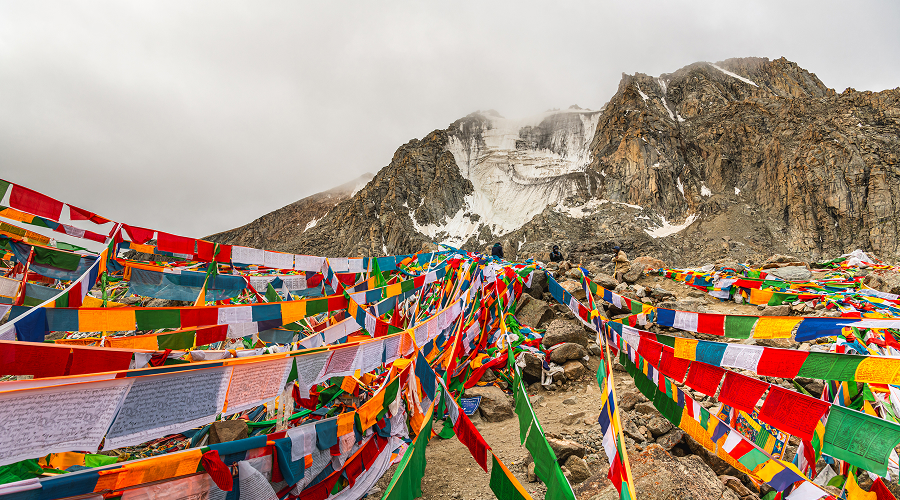
Winter in Tibet is colder, quieter, and often far less crowded. While nighttime temperatures can drop well below freezing, bright winter sunlight can still make daytime sightseeing surprisingly pleasant in places such as Lhasa. More importantly, winter reveals a different atmosphere across the plateau, one that feels calmer, more spacious, and often more contemplative.
For some travellers, this is not the most practical season for a broad overland itinerary, especially if the focus is on covering multiple remote regions. Yet for others, winter is precisely when Tibet feels most powerful. Monasteries are quieter, pilgrimage circuits feel less crowded, and the clear dry air often creates striking visibility.
Winter suits travellers who value atmosphere over convenience and who are comfortable travelling in colder conditions. It can be especially rewarding for culture-led itineraries centred on Lhasa and nearby sacred sites.
What to pack for winter
When evaluating the weather in Tibet by month, winter is less about broad comfort and more about the quality of the experience: quieter, more intimate, and often more reflective.
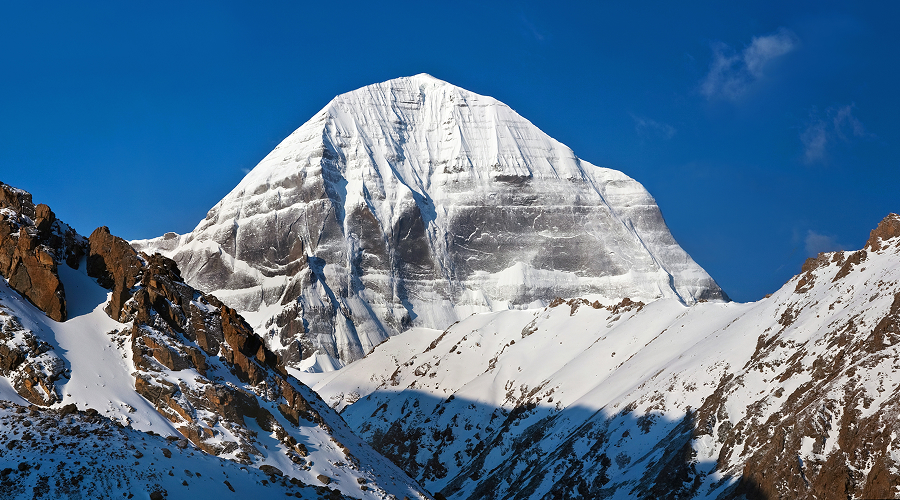
Choosing the best month to visit Tibet is not only about average temperatures. It is also about how the route is structured around altitude, distances, and the kind of experience you want from the journey.
For example, travellers interested in broader Himalayan and Central Asian cultural routes often find similar planning considerations in luxury Silk Road tours, where climate, overland travel conditions, and pacing can shape the experience just as much as the destination itself. For those beginning their planning from home, working with a specialist tour agency can also make it easier to think through timing, permits, and comfort preferences before the trip begins.
The same applies within Tibet itself. Some travellers want spring for its softer landscapes and comfortable sightseeing conditions. Others prefer autumn for clearer mountain views and long overland days, or winter for a quieter, more contemplative experience of Lhasa and its monasteries. The right answer depends less on a single “best” month than on how well the journey has been matched to the season.
At Intriq Journey, planning around Tibet weather by month is part of how each journey is shaped from the outset. Rather than using the same route for every season, we tailor Tibet itineraries to what the plateau is actually like at different times of year.
That may mean choosing lower-altitude routes or gentler pacing in spring, when travellers want scenery and cultural immersion without a more demanding expedition-style journey. In autumn, it may mean building in overland stretches where clearer skies and stronger visibility make Himalayan landscapes especially rewarding. For travellers visiting in winter, the focus may shift towards Lhasa’s monastic life, quieter sacred sites, and carefully paced days that allow you to experience Tibet’s atmosphere in comfort.
Depending on the journey, this can also include private guides, deeper cultural time in Lhasa and surrounding regions, and more carefully selected stays that make high-altitude travel feel less rushed and more considered.
If you are planning a journey across the Roof of the World, Intriq Journey can help you choose the season, route, and pace that suit you best. Contact us to begin planning your personalised Tibet journey.