
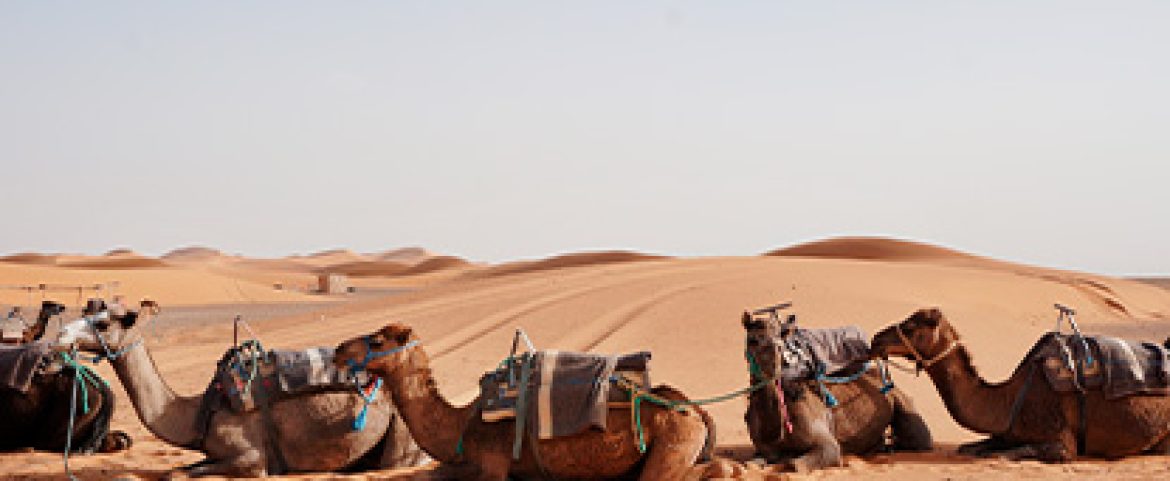
Summer arrives in Mongolia through a gradual transformation. Snow retreats from valleys and mountain foothills, rivers begin to flow more freely and fresh grasses spread across plains that appeared almost dormant only months earlier.
For travellers, Mongolia in summer feels expansive and full of movement. Days are long, the air is generally warmer and nomadic herders become increasingly active across the countryside.
It is also one of the most rewarding seasons for exploring beyond the capital. The open landscape encourages a slower style of travel, with time to ride across grasslands, visit remote communities and observe how daily life remains closely connected to weather, pasture and livestock.
The Mongolian steppe summer landscape is often described as an endless sweep of green, but closer observation reveals far more variety.
Wildflowers emerge among the grasses, adding shades of yellow, white, purple and blue to valleys and rolling plains. Their appearance varies according to rainfall, elevation and local conditions, so no two areas of the steppe look exactly alike.
This flowering period forms part of the wider Mongolian grassland ecosystems. Plant growth provides pasture for horses, sheep, goats, cattle and yaks, while insects and seeds support birds and other wildlife. Marmots may be seen near their burrows, and birds of prey circle above the open terrain.
Rather than presenting dramatic scenery at every turn, the steppe rewards patient observation. A quiet meadow, a river bend or a distant ridge may appear simple at first, yet each supports a network of life adapted to Mongolia’s short growing season and demanding climate.
Travellers arranging their journey through a specialist tour agency in Singapore may also benefit from guidance on regional weather patterns, driving distances and which areas are most likely to be accessible during their chosen travel dates.
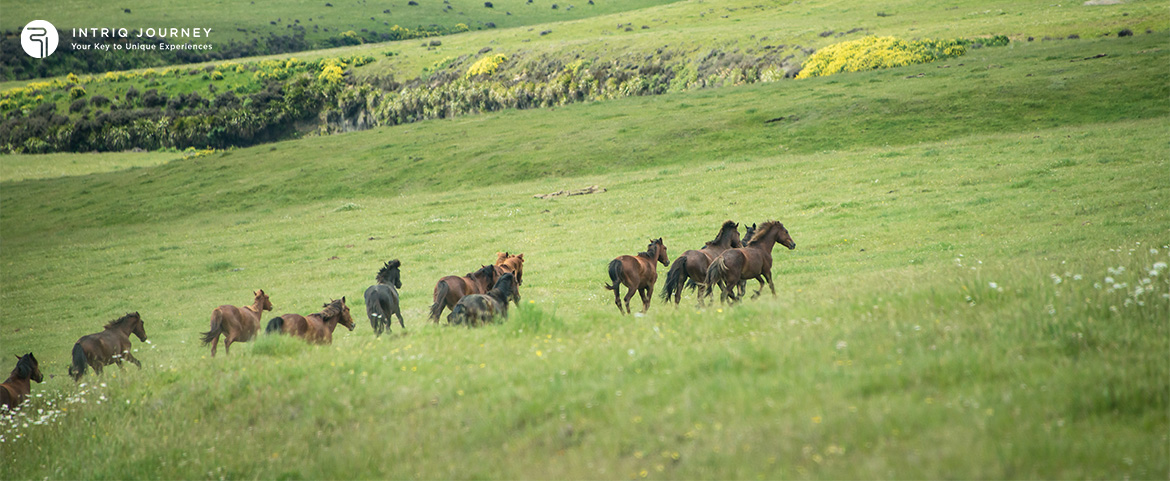
Summer in Mongolia is closely tied to the seasonal movements of herding communities. Families relocate their camps to reach better grazing grounds, water sources and more favourable conditions for their animals.
The timing and distance of each move depend on the region, weather and size of the herd. Some families travel only a short distance, while others move between distinct seasonal pastures several times a year.
Witnessing nomadic migration in Mongolia may involve seeing horses, sheep, goats, cattle or camels guided across the plains. Traditional gers are dismantled, transported and rebuilt at the next campsite, often with remarkable speed and efficiency.
These movements are not simply cultural traditions. They are practical responses to the land. Rotating grazing areas helps prevent the prolonged use of a single pasture and allows families to adapt to changing conditions.
Visits with nomadic families may include milk tea, homemade dairy products and conversations about livestock, weather and family life. These encounters are most meaningful when approached respectfully, with sufficient time and guidance from someone who understands local customs.
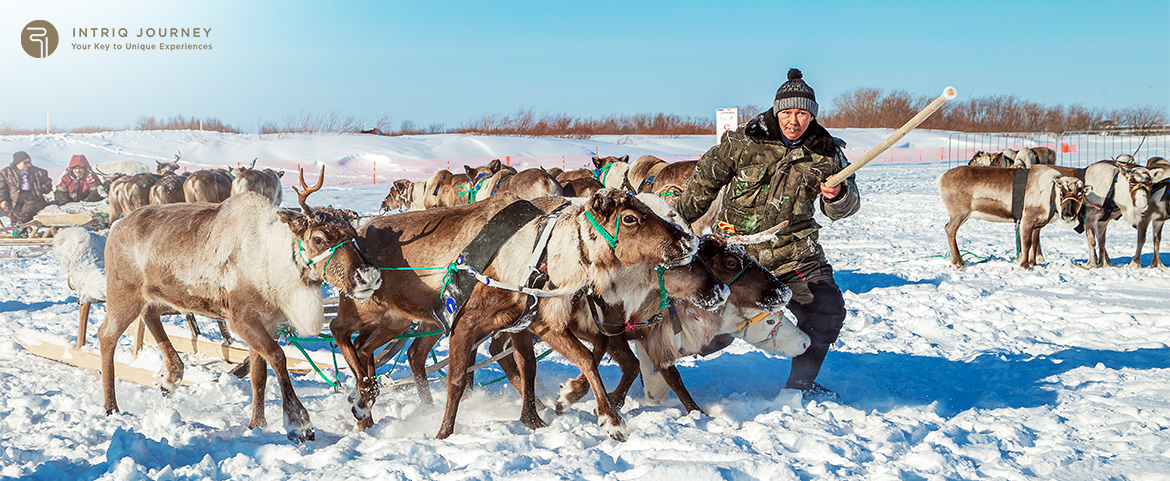
One of the defining experiences of Mongolia in summer is the sheer openness of the land.
Across much of the steppe, there are few fences, buildings or roads to interrupt the view. The sky becomes a major part of the scenery, changing throughout the day as clouds gather, sunlight shifts, and distant storms move across the plains.
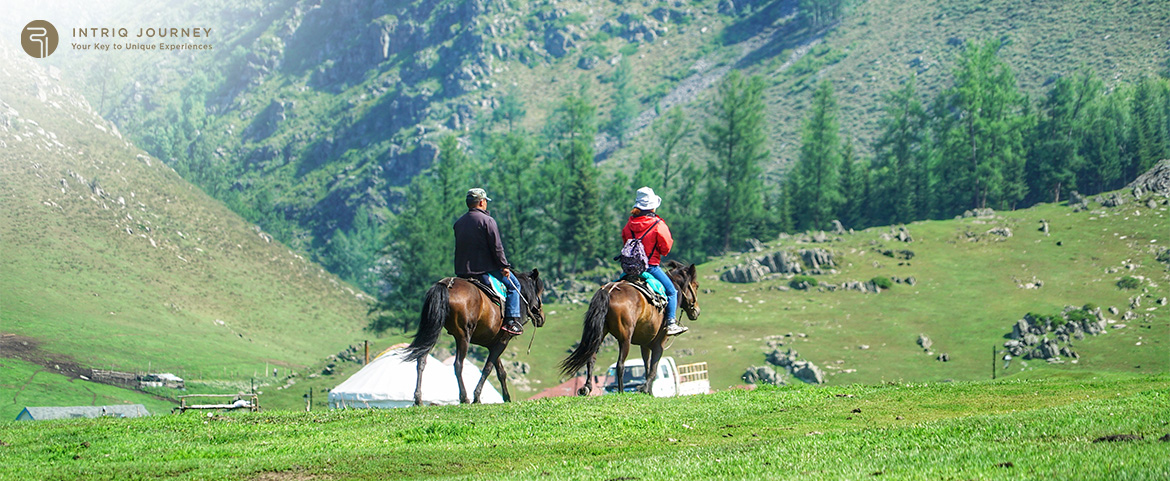
This sense of space makes activities such as horse riding especially memorable. Travellers can cross broad valleys, follow rivers or ride between low hills without the visual boundaries found in more developed destinations.
Even without an organised activity, the landscape encourages stillness. You may notice the wind moving through the grass, the sound of livestock in the distance or a lone rider appearing against the horizon.
For those accustomed to tightly scheduled holidays, thoughtfully designed luxury tours can create space for these unscripted moments while still providing reliable transport, experienced guides and comfortable places to rest.
Late afternoon brings a softer quality to the steppe. The light turns warmer, shadows lengthen across the plains, and the temperature begins to fall.
Around ger camps, horses may graze nearby while meals are prepared and families complete their evening tasks. The atmosphere is often quiet, with little artificial noise or light.
After dark, Mongolia’s remote landscapes offer wide views of the night sky. On clear evenings, stars appear sharply above the grasslands, creating one of the most memorable settings of a summer journey.
Temperatures can still drop significantly after sunset, even in the warmer months. Travellers should therefore pack layers and prepare for changing weather throughout the day.
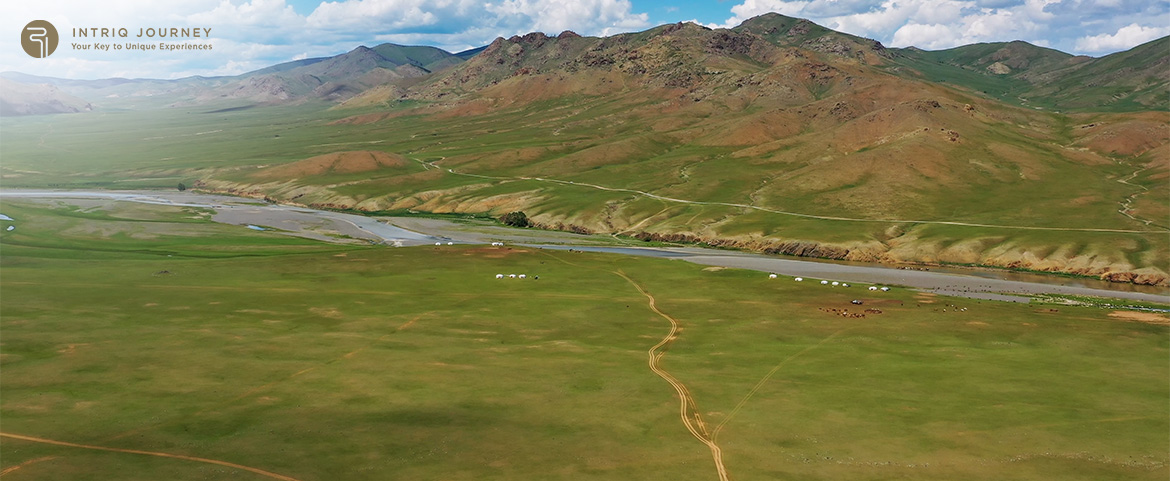
Exploring the steppe requires more planning than its open appearance might suggest. Distances are long, road conditions vary, and weather can change quickly. Accommodation may range from traditional ger stays to more refined seasonal camps, depending on the region and itinerary.
A well-structured journey should account for travel time, local conditions and opportunities for genuine cultural interaction. It should also allow enough flexibility to respond to weather, livestock movements and the rhythms of rural life.
Intriq Journey designs private journeys that combine Mongolia’s remote landscapes with carefully paced travel, experienced local guides and selected stays. Travellers may ride through open valleys, meet nomadic families, explore grassland ecosystems and spend quiet evenings beneath the steppe sky without rushing from one location to the next.
Contact us to begin planning a personalised summer journey through Mongolia.