
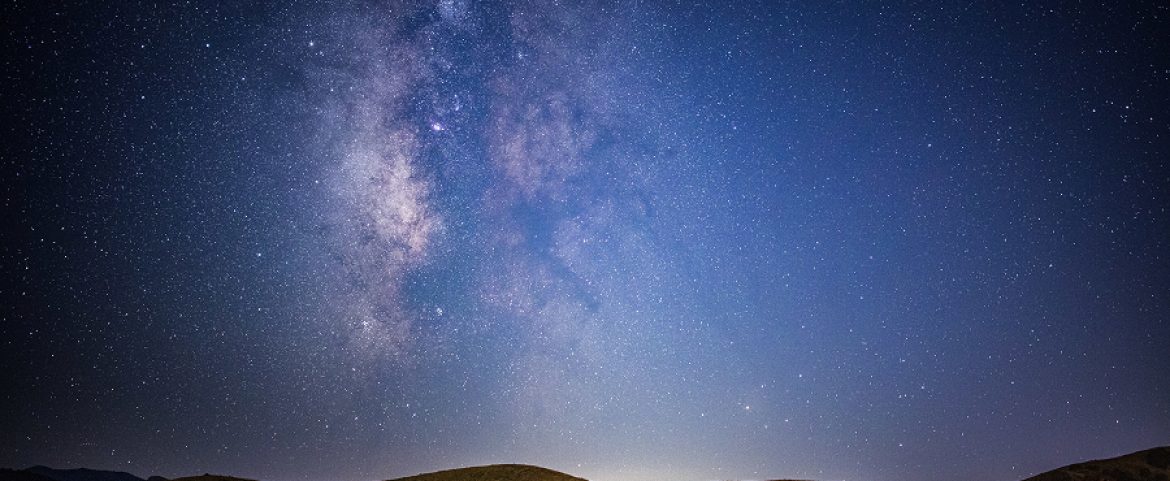
Stargazing has grown beyond a specialist hobby into a recognised form of nature-based travel, drawing travellers to remote destinations where dark skies offer clearer views of stars, planets and the Milky Way
In many cities, the night sky is softened by street lamps, illuminated buildings and the constant glow of urban life. In the Gobi Desert, darkness feels entirely different.
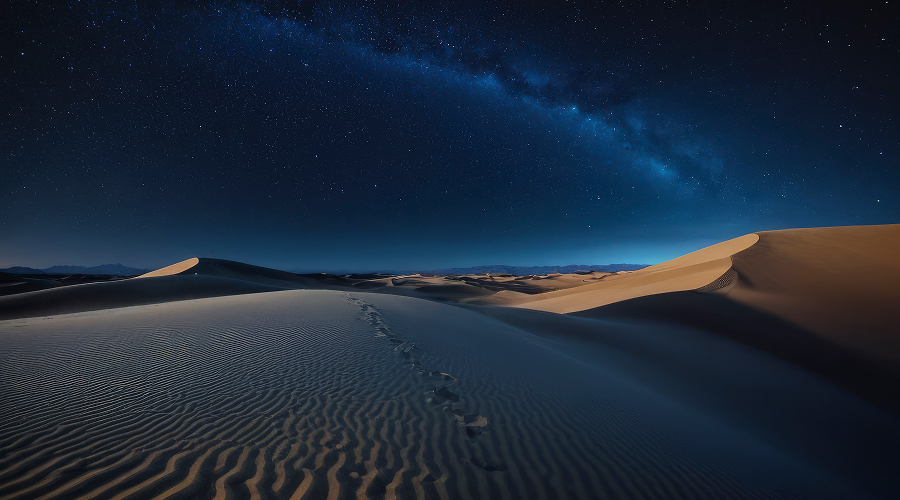
Far from major population centres, the desert reveals a sky filled with remarkable detail. Constellations stretch towards the horizon, planets shine distinctly and the Milky Way may appear as a pale, luminous band arching overhead.
For travellers, stargazing in the desert is not simply about identifying stars. It is an opportunity to pause within a landscape where the stillness, darkness and immense sense of space make the universe feel unexpectedly close.
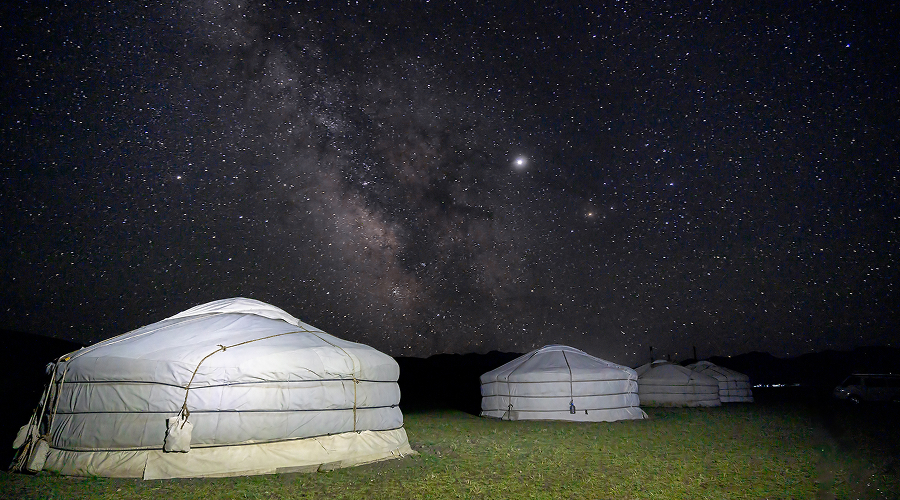
The quality of the Gobi Desert night sky is shaped by the region’s geography, climate and limited development.
Much of the desert is sparsely populated, with few large settlements or sources of artificial light. This allows travellers in more remote locations to experience darker skies than those typically seen around urban areas.
The Gobi’s broad plains and open desert terrain also provide largely unobstructed horizons. Instead of viewing the sky between buildings, trees or mountain ridges, travellers may enjoy an expansive celestial panorama.
Dry conditions can further support visibility. Lower humidity may reduce atmospheric haze, allowing stars and constellations to appear sharper on clear nights. However, conditions vary by season, location and weather, so thoughtful itinerary planning remains important.
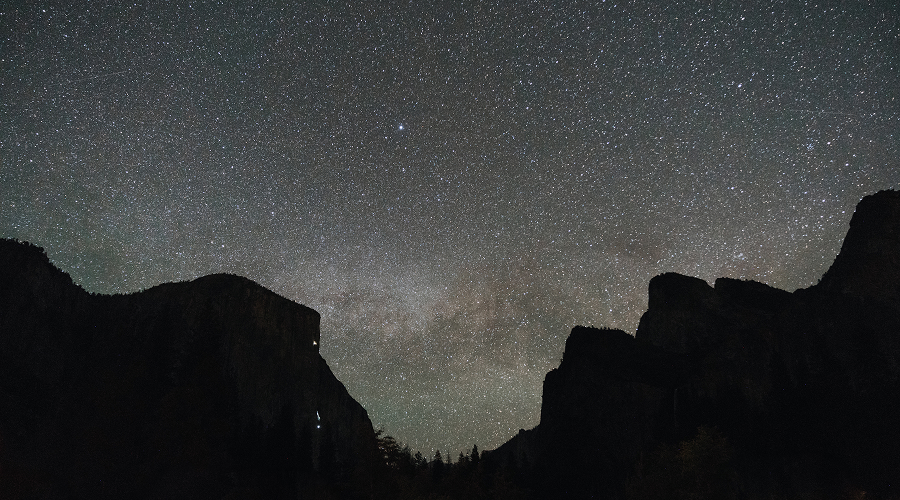
Seeing the Milky Way is often one of the defining moments of stargazing in Mongolia’s dark sky.
After sunset, the sky gradually deepens from blue to black. As the eyes adjust, faint stars become more visible until entire constellations begin to emerge. Under suitable conditions, the Milky Way appears as a textured ribbon of light formed by countless distant stars.
The experience often feels more gradual and contemplative than dramatic. Travellers may sit outside a ger camp, walk a short distance into the surrounding landscape or simply look upwards while the desert becomes quiet.
Meteor streaks, satellites and bright planets may occasionally appear, but the most memorable impression is often the sheer number of stars visible at once.
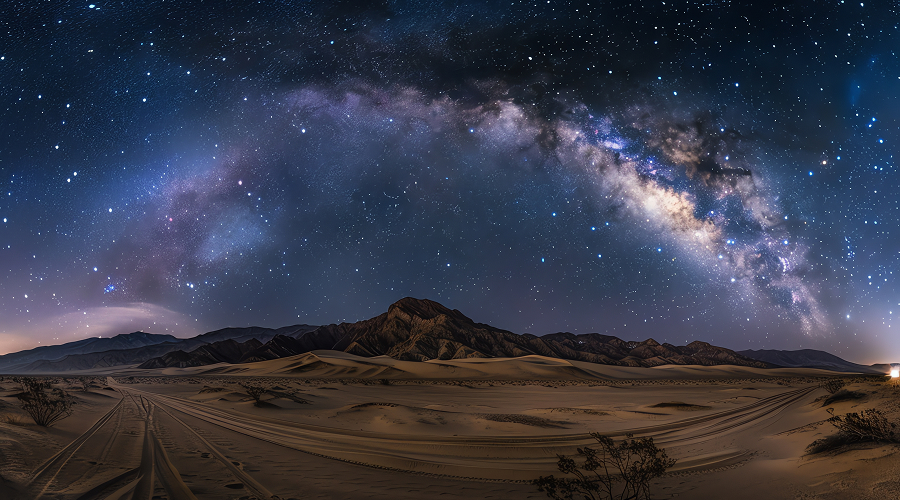
The appeal of desert astronomy travel extends beyond the astronomical sights themselves.
Once darkness settles over the Gobi, the surrounding landscape largely disappears from view. Dunes, rocky formations and open plains become silhouettes beneath the stars. With little traffic or urban noise, the quiet can feel almost complete.
This silence changes the rhythm of the experience. Conversations become softer and travellers naturally spend more time observing rather than moving between attractions.
Evenings may be spent beside a campfire or outside a traditional ger, wrapped in warm layers as temperatures fall. The combination of darkness, cool air and stillness creates an atmosphere that feels meditative and deeply removed from everyday routines.
Mongolia’s relationship with the night sky stretches back through generations of nomadic life.
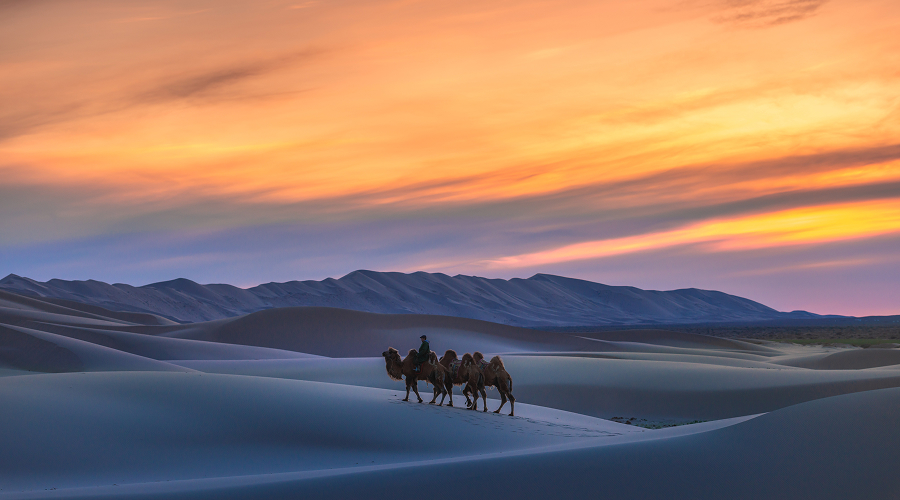
Before digital navigation and established roads, stars helped travellers and herders orient themselves across wide areas of steppe and desert. Celestial patterns also offered indications of seasonal change, helping communities respond to the shifting rhythms of weather, migration and livestock care.
The sky also appears within Mongolian stories, beliefs and oral traditions. Its presence was not viewed only in practical terms, but as part of a wider natural world in which the landscape, animals, seasons and heavens were closely connected.
For today’s travellers, stargazing in the desert offers more than a beautiful night-time scene. It provides a glimpse of the same celestial landscape that has guided and inspired Mongolian communities for centuries.
Clear visibility depends on weather, cloud cover and moonlight rather than on the destination alone.
Spring and autumn can offer dry conditions, although desert temperatures may vary considerably between day and night. Summer brings warmer evenings but can also coincide with changing weather patterns. Winter skies may be exceptionally crisp, though the severe cold makes outdoor observation more demanding.
The lunar cycle also matters. A bright full moon can illuminate the landscape beautifully but may make fainter stars and the Milky Way harder to see. Travellers primarily interested in astronomy may prefer dates closer to a new moon.
Regardless of the season, warm clothing is essential. Temperatures can drop quickly after sunset, even following a hot day.
For those exploring several destinations, bespoke luxury tours can also combine the Gobi with Mongolia’s grasslands, cultural sites and capital, creating a fuller perspective of the country beyond the desert.
The strongest stargazing experiences are usually not treated as isolated evening activities. They are woven into a broader exploration of the desert.
During the day, travellers might visit dramatic dunes, rocky canyons, fossil-rich landscapes or nomadic communities. At night, the same surroundings take on a completely different character beneath the stars.
Well-designed luxury Mongolia tours may include stays in comfortable ger camps, private guiding and carefully paced overland travel. These arrangements allow travellers to reach secluded locations without overlooking the practical demands of travelling across such a remote region.
Intriq Journey designs private Mongolia journeys around the interests, pace and comfort preferences of each traveller. A Gobi itinerary may combine remote desert landscapes, thoughtfully selected camps and time with local guides who can offer insight into nomadic life and the environment.
Evenings are deliberately relaxed, creating opportunities to step outside, look towards the open horizon and stargaze into desert skies.
Contact us to begin planning a personalised journey through Mongolia and experience the quiet beauty of the Gobi after dark.